What is Digital PR and Why is it Important?
Digital PR (Public Relations) is the online evolution of traditional PR, focused on gaining exposure and credibility for your brand through earned media—such as interviews, press coverage, expert quotes, or podcast appearances. Unlike paid ads, digital PR works by positioning you or your business as a trusted expert or story worth sharing, which results in valuable backlinks, audience trust, and long-term SEO benefits.
For small businesses, digital PR can mean getting featured in industry blogs, local news outlets, entrepreneur podcasts, or niche YouTube channels. These features lend social proof and third-party validation, making potential customers more likely to trust and choose your brand. Moreover, press mentions can rank high in search results and provide long-term visibility for your business. Digital PR also improves domain authority, which helps your website rank higher on Google. You don’t need to hire a PR agency—many entrepreneurs secure coverage by pitching directly to journalists, bloggers, or podcast hosts with a compelling angle or story. In short, digital PR builds awareness, authority, and trust in a way that paid media can’t replicate.
How to Get Featured in Blogs, Podcasts, and Online Media
Getting featured in media starts with a well-crafted pitch and a clear understanding of what editors and hosts are looking for: relevance, credibility, and a compelling story. First, identify outlets that speak to your audience—this might include local news, industry blogs, online magazines, business podcasts, or YouTube interview channels. Tools like HARO (Help A Reporter Out), Qwoted, Podmatch, or Muck Rack help connect experts with media opportunities. When pitching, make it about the audience’s benefit, not your ego. Lead with a subject line that creates curiosity (e.g., “Small Biz Owner Tripled Revenue With One Free Tool—Interested?”).
In the body, introduce yourself briefly, highlight your expertise, and pitch 1–2 story ideas or talking points. Include links to your website, social media, or previous interviews. Follow up 5–7 days later if you don’t get a response. Don’t overlook micro-opportunities—niche podcasts with 500 listeners may convert better than big shows with broad audiences. Once featured, share the content widely, tag the host, and leverage it in your marketing (e.g., “As seen in…”). Media exposure builds a perception of success and thought leadership that can open doors far beyond the feature itself.
Managing Your Online Reputation Proactively
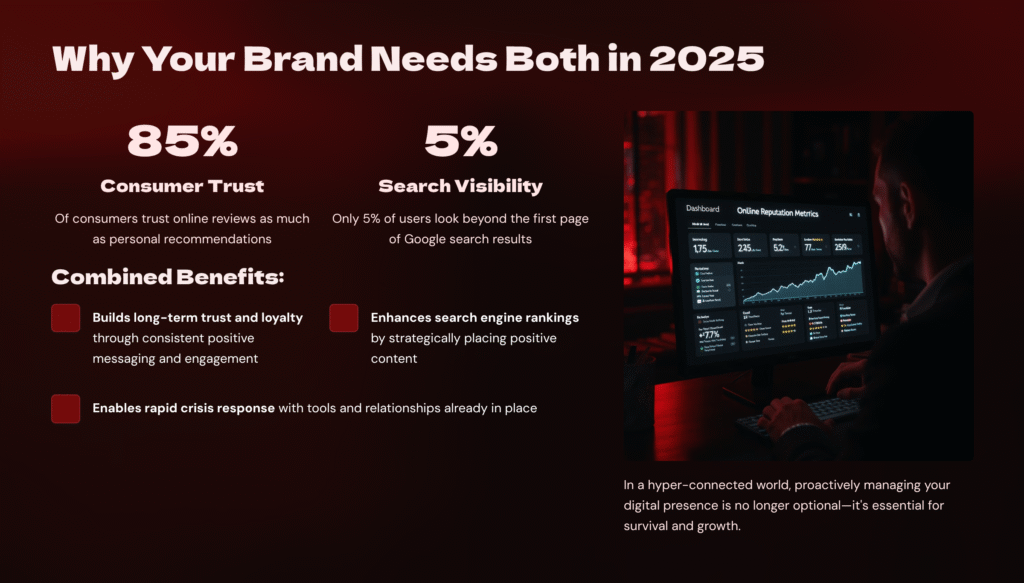
In today’s digital world, your reputation is your currency—and most people will Google your name or brand before doing business with you. Proactive reputation management means ensuring that what shows up in search results and review sites reflects your brand positively. Start by Googling your own name and business—what do you see? Make sure your Google Business Profile, social profiles, and website are accurate, updated, and optimised. Create branded content—blogs, press mentions, videos, and guest posts—that dominates search results with positive information. Register your brand on key review platforms (Google, Yelp, Trustpilot, TripAdvisor, etc.) and monitor them regularly. Encourage happy customers to leave reviews and make it easy by sending a direct link and a short message. Claim your name on major platforms, even if you’re not active on all of them, to avoid impersonation or confusion. Remember, silence online creates a vacuum that others (including competitors or trolls) can fill. By publishing regularly, engaging with your audience, and creating helpful content, you take control of your narrative before problems arise.

Generating, Showcasing, and Managing Customer Reviews

Reviews are the digital version of word-of-mouth, and they significantly influence buying decisions. In fact, over 90% of consumers check reviews before making a purchase, and businesses with more positive reviews consistently outperform competitors. Start by asking for reviews at the right moment—after a successful delivery, a great result, or a customer thank-you.
Use simple automated tools like Google Review Links, Trustpilot widgets, or Shopify review apps to make it seamless. Ask specific questions (e.g., “What result did you get from our service?”) to encourage useful testimonials, not just generic praise. Display reviews prominently on your website, sales pages, and social media. Consider using video testimonials, which carry more weight than text alone. If you get a negative review, don’t panic. Respond publicly, calmly, and professionally—acknowledge the issue, offer a solution, and show you care. A well-handled bad review can actually enhance your credibility. Avoid fake or incentivised reviews—they damage trust and can lead to penalties. Building a strong review culture starts with delivering great experiences and then systematically collecting and showcasing customer feedback as part of your digital strategy.
Monitoring Mentions and Protecting Brand Perception

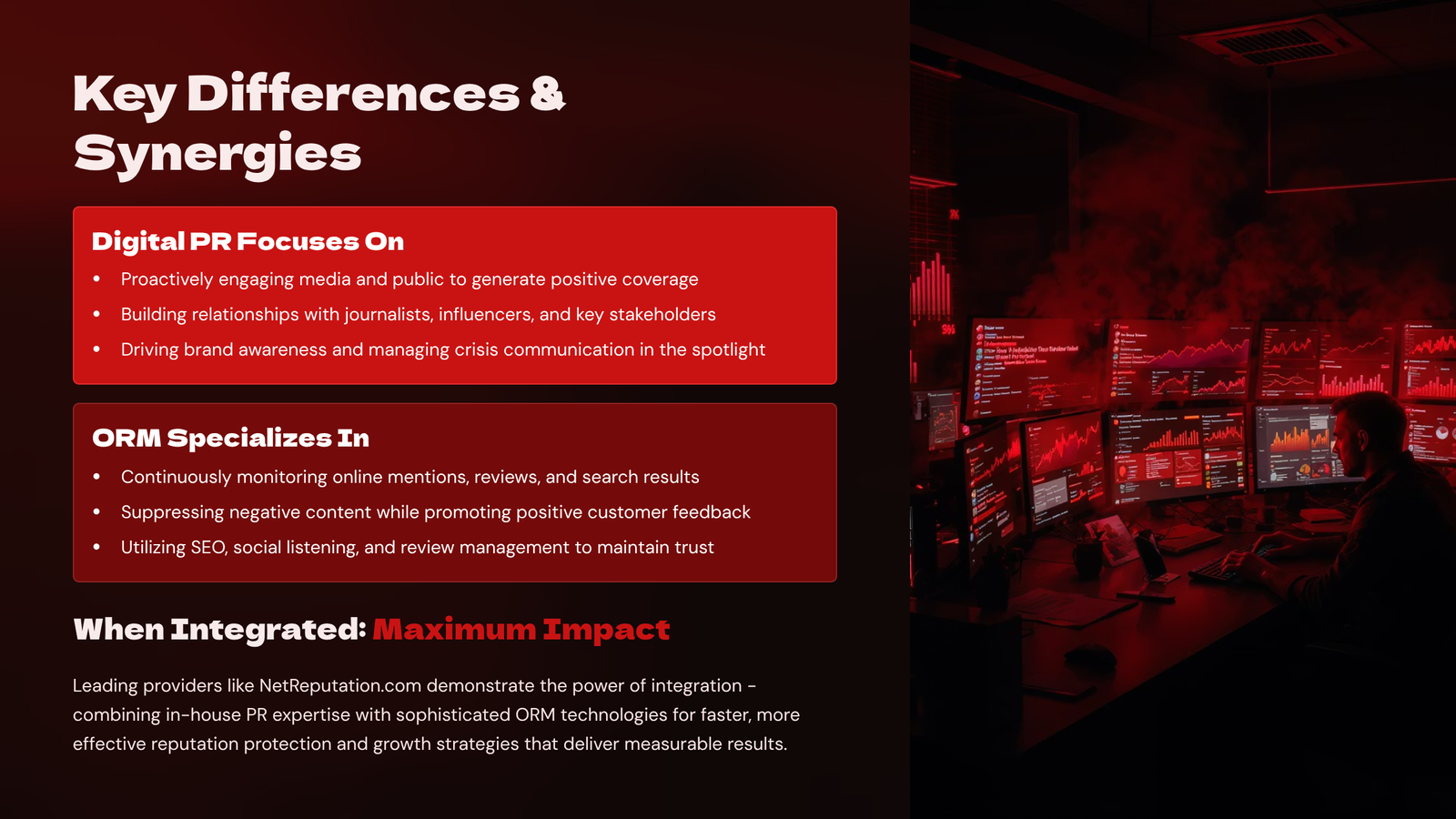
Brand monitoring involves tracking what people say about you or your business online—whether on social media, forums, blogs, or review platforms. Use tools like Google Alerts, Mention, Brand24, or Social Searcher to get real-time notifications when your brand is mentioned. These tools help you identify praise to celebrate and amplify, as well as complaints or misinformation to address quickly. Set alerts not just for your brand name, but also for your products, competitors, key staff, or slogans.
Monitor forums like Reddit or Quora, especially if you’re in a niche industry. Regular monitoring helps you understand customer sentiment, discover opportunities, and stay ahead of PR risks. Respond to public comments with empathy and professionalism—remember, your response is often more visible than the original mention. Develop a reputation response policy so your team knows how to handle various scenarios. In the age of screenshots and viral posts, reputation management is not just crisis control—it’s everyday brand hygiene that protects your trustworthiness and bottom line.