The Rise of AI in Digital Marketing
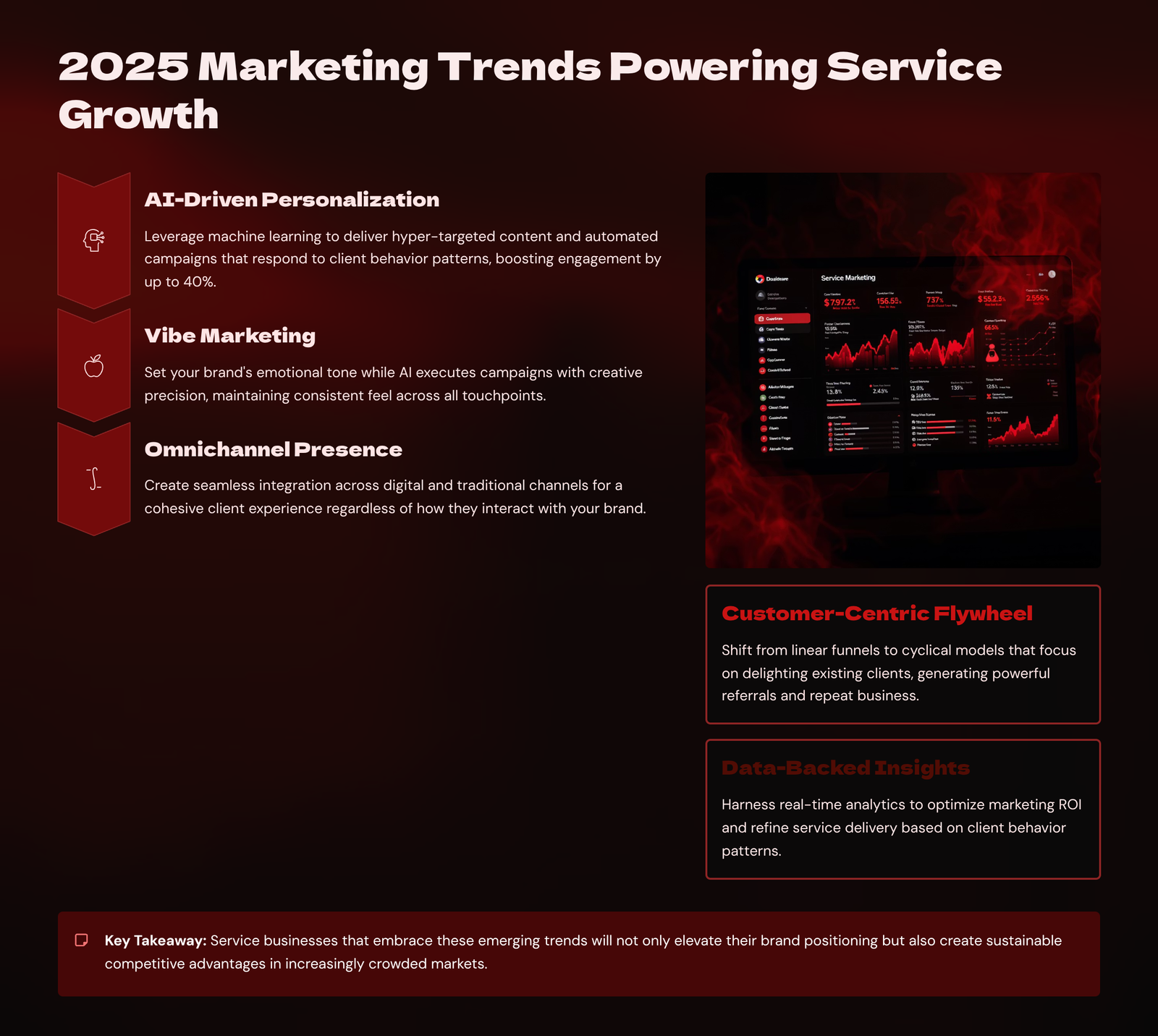
Artificial Intelligence (AI) has rapidly evolved from a futuristic concept to a practical, essential tool in modern digital marketing. From automating tedious tasks to generating insightful data-driven decisions, AI enables businesses—especially small and medium-sized ones—to compete on a smarter, faster, and more scalable level. AI now powers customer segmentation, dynamic ad targeting, predictive analytics, real-time chatbots, and even content creation. For entrepreneurs, this means less time spent on repetitive tasks and more time focused on strategic growth.
While AI can’t replace human creativity, it augments decision-making and helps marketers personalise at scale. Instead of sending the same email to 5,000 people, AI allows behaviour-triggered, customised journeys. The key lies not in blindly adopting tools, but in selecting solutions that align with your business goals and customer experience. Understanding what AI can do—and where it fits—enables you to build a hybrid marketing engine: human-led, machine-accelerated.
AI for Content Creation and Copywriting
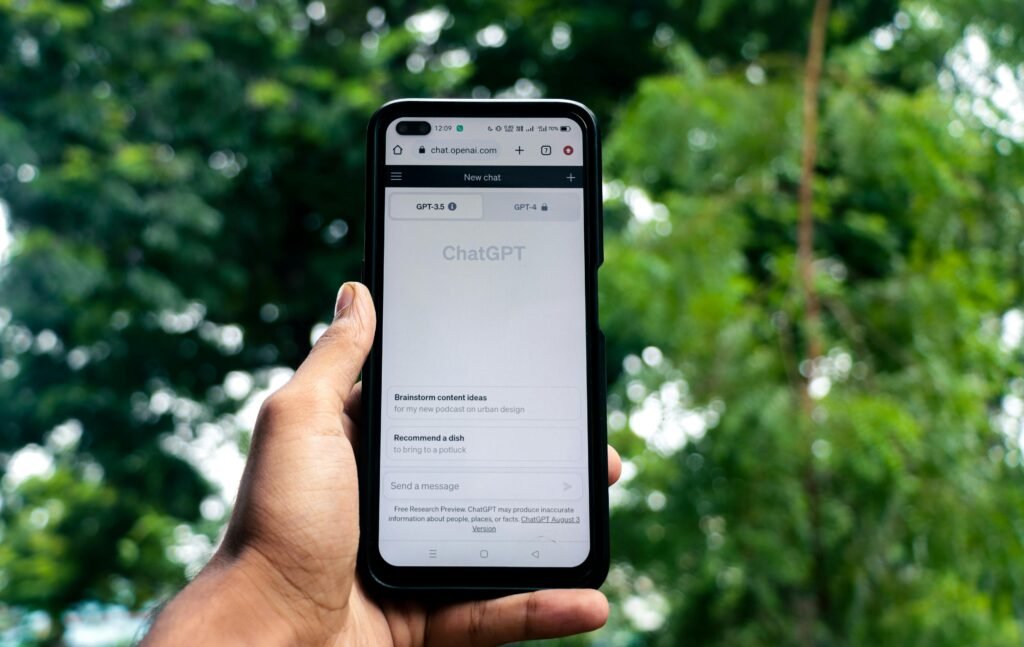
One of the most exciting uses of AI in marketing is content generation. Tools like ChatGPT, Jasper AI, Copy.ai, and Writesonic can create blogs, ad headlines, emails, social posts, landing page copy, product descriptions, and more. AI content generators save hours of research, help break creative blocks, and accelerate campaign execution. For example, a single blog post can be outlined, written, and SEO-optimised in under 30 minutes using the right prompts. AI doesn’t replace your voice—it helps you scale it.
You can fine-tune the tone, audience, and format while retaining editorial control. Other tools like Grammarly and Hemingway app can refine grammar, style, and clarity. For visuals, tools like Canva’s Magic Write or DALL·E can generate imagery on command. Still, human editing, storytelling, and quality assurance remain crucial. AI should be seen as a co-pilot: fast, tireless, and versatile, but still needing a skilled human hand to steer and approve. Combined, this synergy boosts output without compromising brand integrity.
AI Chatbots and Customer Service Automation
Customer expectations for instant responses are higher than ever, and AI-powered chatbots deliver 24/7 engagement across websites, WhatsApp, Facebook Messenger, and Instagram DMs. Tools like ManyChat, Tidio, Intercom, Chatfuel, and Superchatpal allow even small businesses to create intelligent, automated conversations. These bots can answer FAQs, book appointments, guide product selections, or capture leads. You can build flowcharts with personalised logic based on keywords or user behaviour. Advanced bots use natural language processing (NLP) to handle open-ended queries with context-aware responses. They can also sync with CRMs or send data to email sequences. For example, a visitor typing “I need help choosing the right size” could be shown a size guide instantly, while another asking for prices can receive a dynamic quote. Chatbots reduce workload, shorten response time, and increase conversion—without needing a human on standby. When used well, they create seamless, always-on customer experiences that feel personal, not robotic.
Automating Campaigns, CRM, and Lead Nurturing

Marketing automation is about delivering the right message to the right person at the right time—without manual effort. Platforms like HubSpot, ActiveCampaign, Mailchimp, GoHighLevel, and ConvertKit allow businesses to set up multi-step workflows triggered by user behaviour (e.g., downloading a lead magnet, clicking a link, abandoning a cart). You can automate onboarding sequences, follow-ups, win-back campaigns, and upsell offers with conditional logic and segmentation. For example, a lead downloading a free SEO checklist can enter a 7-day email sequence offering tips, case studies, and finally a discovery call link. CRMs can track every touchpoint, score leads based on engagement, and notify you when a hot lead is ready for contact. Integration with your website, ads, and calendar creates a closed-loop system where no lead slips through the cracks. Proper automation saves time, increases conversion rates, and ensures consistent, personalised experiences across the buyer journey.
Predictive Analytics and Smart Reporting with AI
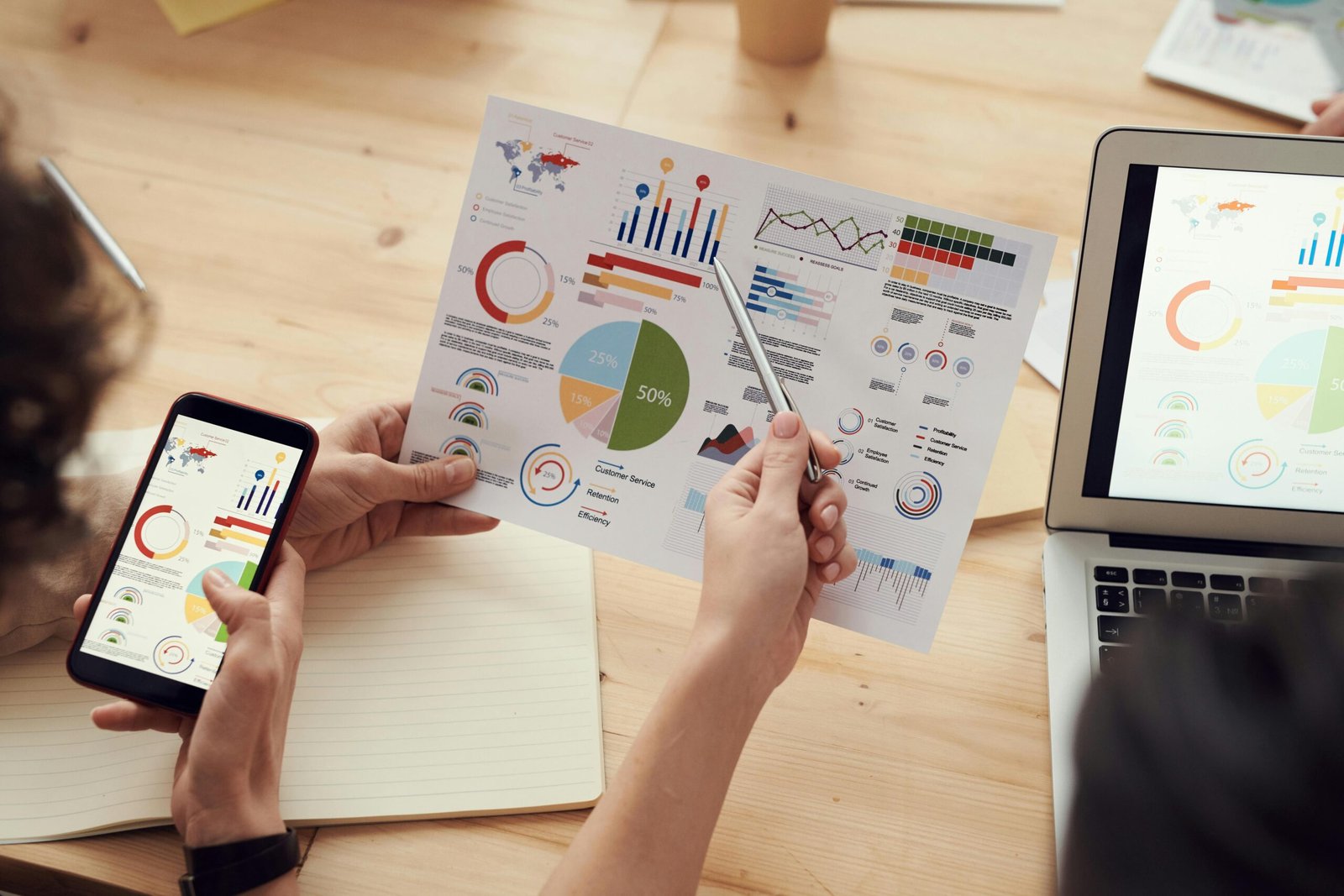
AI doesn’t just automate tasks—it provides intelligent insights. Predictive analytics tools like Google Analytics 4, PaveAI, Salesforce Einstein, and Zoho CRM analyse historical behaviour to forecast future actions. You can predict churn, likely buyers, best times to send emails, or which products a segment will prefer. This helps you move from reactive marketing to proactive campaigns. AI-driven dashboards also aggregate data across platforms—ads, email, web, social—and highlight what’s working and what’s not.
Tools like Tableau, Databox, and DashThis use machine learning to surface patterns that might be missed manually. Instead of exporting spreadsheets and squinting at charts, you get actionable insights that drive smarter decisions. For example, AI might suggest shifting more budget to Instagram reels based on conversion patterns or flag an email campaign that’s underperforming. Predictive models enable better ROI, faster optimisations, and more confident growth decisions, even for teams without a data science background.
Recommended AI Tools by Function
Function | Recommended Tools |
Content Writing & Copy | ChatGPT, Jasper, Copy.ai, Writesonic |
Visual Design & Video | Canva AI, Pictory, DALL·E, Runway ML |
Email Marketing Automation | Mailchimp, ActiveCampaign, Klaviyo |
CRM & Lead Scoring | HubSpot, GoHighLevel, Zoho CRM |
Chatbots | Tidio, ManyChat, Intercom, Superchatpal |
SEO & Content Optimisation | Surfer SEO, Frase, MarketMuse, Clearscope |
Analytics & Reporting | Google Analytics 4, Databox, PaveAI, Tableau |
Social Media Scheduling | Buffer, Publer, SocialBee with AI Captions |
When choosing tools, consider your use case, learning curve, integration needs, and budget. Start with one use case (e.g., email automation), then expand gradually.