Why Email Marketing Still Delivers High ROI
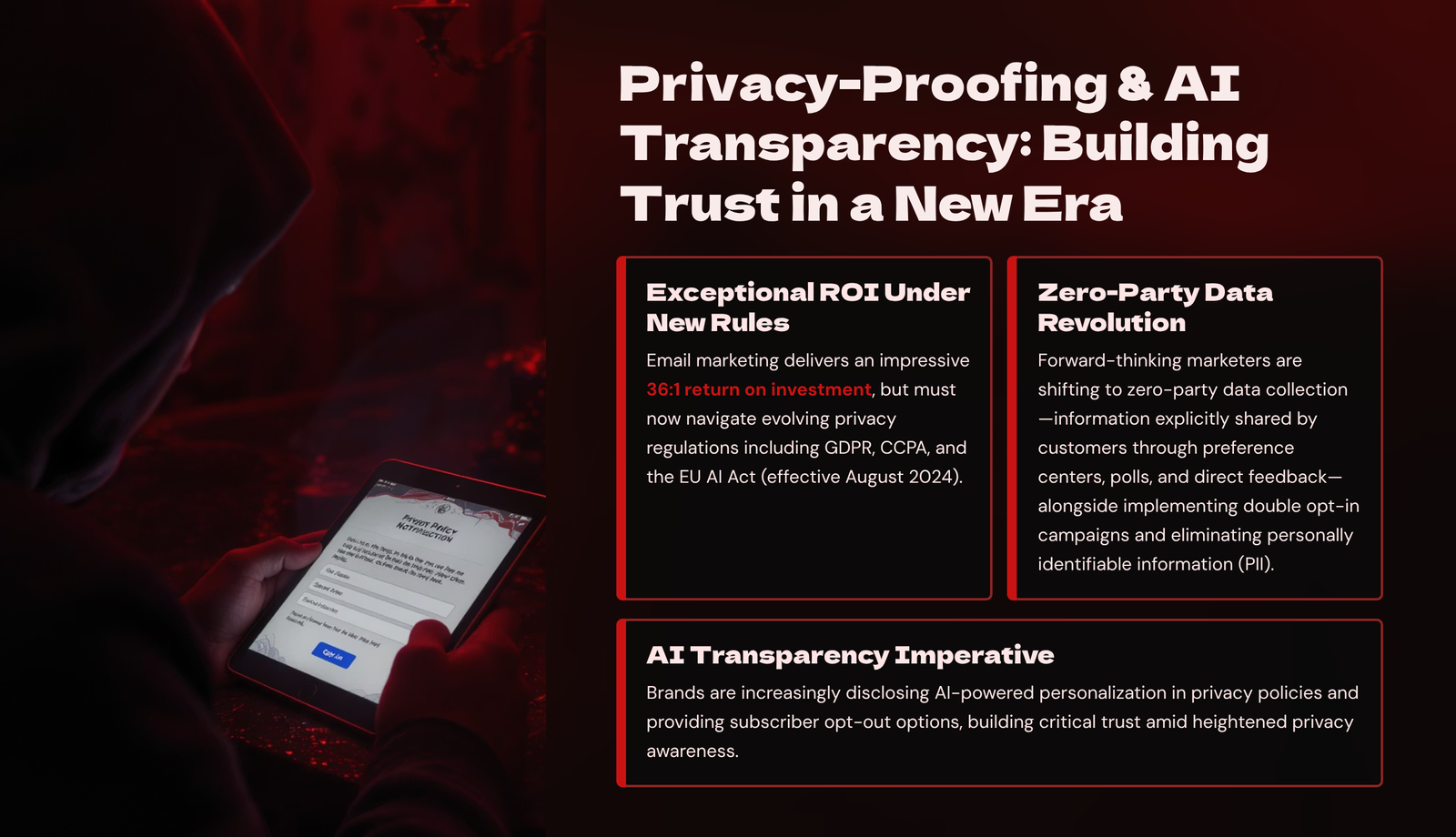
Despite the rise of social media and messaging apps, email marketing remains one of the most powerful and cost-effective digital marketing tools available. With an average ROI of £36 for every £1 spent, email outperforms virtually all other digital channels when it comes to return on investment. Unlike platforms you don’t control—such as Facebook or Instagram—your email list is owned media. You can reach your audience anytime, build relationships on your terms, and nurture leads in a highly personalised manner.
Email enables you to segment your audience, automate follow-ups, deliver exclusive offers, educate your subscribers, and drive direct sales. It’s also measurable, trackable, and ideal for testing subject lines, content, and timing. For small businesses, it provides a direct line to warm leads, loyal customers, and interested prospects who’ve opted in because they want to hear from you. Unlike organic social reach, which is subject to algorithm changes, emails reliably land in inboxes. Whether you’re running a product-based business or offering professional services, email marketing should be a central pillar of your digital strategy—not an afterthought.
Building and Growing Your Email List
A healthy, engaged email list is the foundation of a successful email marketing strategy. Start by offering a compelling lead magnet—a free resource such as a guide, checklist, video, discount code, or webinar—that users receive in exchange for their email address. Your lead magnet should solve a specific problem for your target audience and clearly demonstrate your value. Embed opt-in forms on key pages of your website: homepage, blog posts, footer, and dedicated landing pages.
Use exit-intent popups, slide-ins, or header bars to capture attention without being intrusive. Comply with privacy laws like GDPR by ensuring users explicitly opt in and know what type of emails they’ll receive. Never buy email lists—it damages your deliverability and reputation. Promote your lead magnet through social media, guest blogs, YouTube, and paid ads to grow your list faster. Encourage existing subscribers to forward useful emails to friends. Use double opt-in where necessary for higher-quality contacts. A growing list means nothing without engagement—focus on quality over quantity and continuously refine how you attract subscribers who genuinely want to hear from you.
Writing High-Performing Email Campaigns
The success of any email campaign begins with the subject line—this determines whether your message is opened or ignored. Aim for curiosity, clarity, and relevance in under 50 characters. Use personalisation (e.g., first name), emojis (if brand-appropriate), and time-sensitive language to increase open rates. Once opened, your email content should deliver immediate value. Start with a friendly greeting and a compelling first sentence—the preview text often shows in inboxes and should hook the reader.
Structure your emails clearly: short paragraphs, bolded key points, bullet lists, and a clear call to action (CTA). Don’t overwhelm the reader—focus each email on one key message. Whether it’s educational (a blog link), promotional (a discount), or relational (a story), make sure it’s relevant and customer-focused. Avoid jargon and speak like a human, not a brand. Use a conversational tone and always deliver more value than you ask for. Include images sparingly to avoid spam filters and ensure the email looks good on mobile. Every email you send should serve a purpose in the broader customer journey—building trust, solving problems, and prompting action.

Segmenting and Personalising Your List

List segmentation allows you to send more relevant emails to smaller groups within your audience based on specific attributes like demographics, behaviour, purchase history, or interests. For example, you can create segments for: new subscribers, returning customers, inactive readers, webinar attendees, or people who downloaded a particular lead magnet.
This enables you to tailor subject lines, content, offers, and CTAs to each group. Segmented emails consistently achieve higher open and click rates—and lower unsubscribe rates—because they feel more relevant. Personalisation goes beyond using the subscriber’s name; it can include referencing their last purchase, suggesting a product, or sending a birthday discount.
Many email platforms like Mailchimp, ConvertKit, ActiveCampaign, and Klaviyo support advanced segmentation and personalisation tools. Behavioural triggers—like clicking a specific link, watching a video, or abandoning a cart—can automatically place users into a new sequence or tag. The more you learn about your subscribers, the more you can serve them content they actually want, building deeper relationships and increasing conversions.
Automating Email Workflows to Nurture Leads

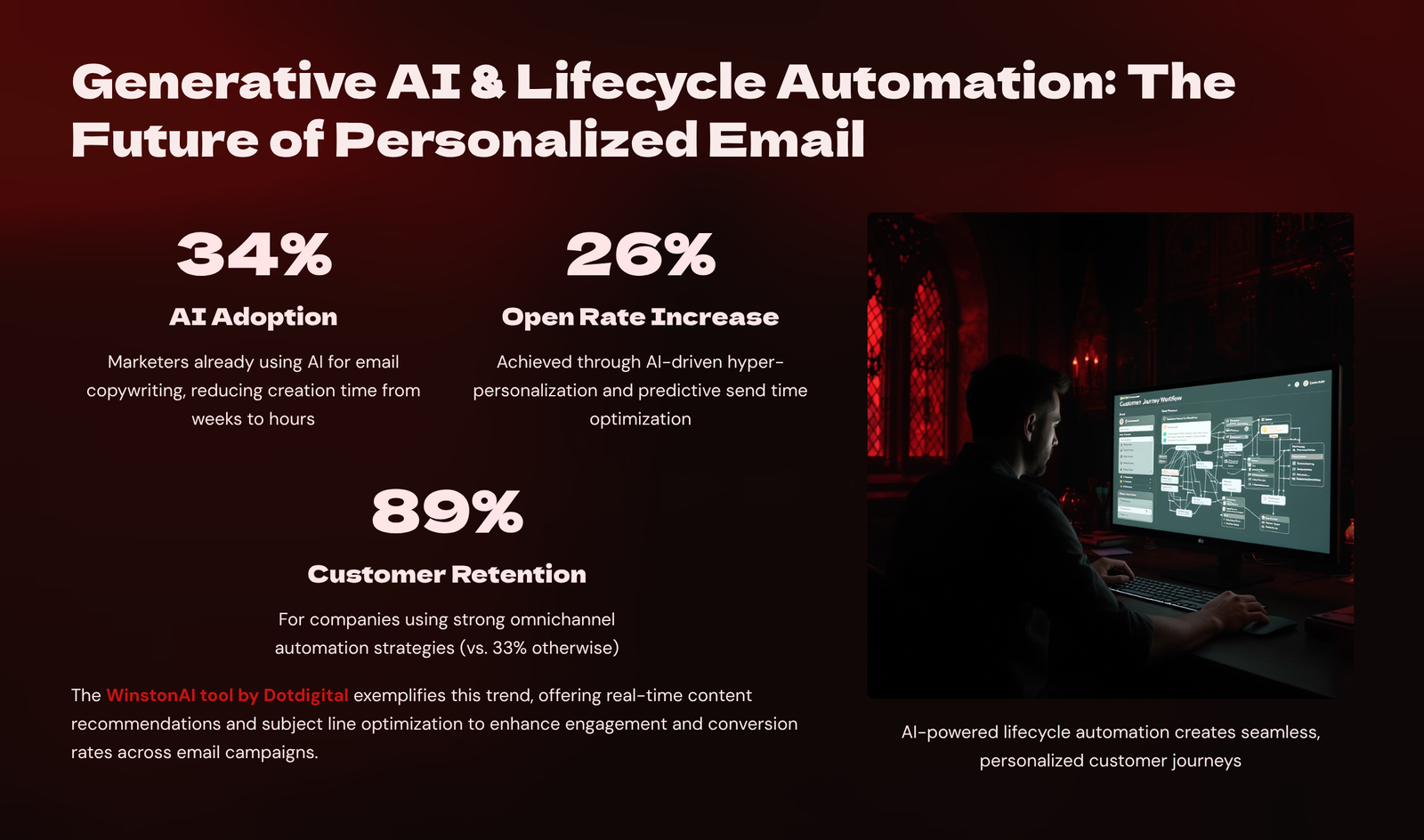
Email automation allows you to send timely, relevant messages to your audience without manual effort, based on their actions or time-based triggers. The most common automation is a welcome sequence—a series of emails sent immediately after someone subscribes to your list. This is your chance to introduce your brand, share helpful content, and set expectations. Other automation workflows include: lead nurturing sequences for prospects, cart abandonment emails for e-commerce, post-purchase follow-ups, event reminders, and reactivation campaigns for disengaged users. For example, a user downloads a free eBook → enters a 5-day educational series → then receives an offer to book a free consultation. Each step is triggered by user behaviour, ensuring communication is always relevant and timely. Use branching logic (e.g., “if clicked → send this email; if not → wait 2 days then send reminder”) to create dynamic flows. Automation not only saves time but also scales your personal touch, keeping leads warm and engaged even when you’re offline. Set up automation maps in your ESP (Email Service Provider), test thoroughly, and monitor performance weekly.
Measuring Email Campaign Success
To continuously improve your email marketing, you must track performance using meaningful metrics. Start with open rate (how many people opened your email) and click-through rate (CTR) (how many clicked a link). High open rates suggest strong subject lines; high CTRs suggest valuable content and compelling CTAs. Monitor your unsubscribe rate—a sudden spike may indicate content misalignment or over-sending. Keep an eye on bounce rates (hard and soft) to maintain list health. For campaigns with sales or lead goals, track conversion rates, revenue per email, or form submissions using UTM links and Google Analytics. Most ESPs offer visual dashboards, and platforms like ActiveCampaign or HubSpot offer deeper funnel analytics. A/B test subject lines, send times, and layouts to learn what works best. Create benchmarks based on your industry averages and past campaigns. Regular review helps identify what to double down on, what to retire, and how to turn email from a side channel into a revenue machine.