Why Video is Essential for Modern Marketing
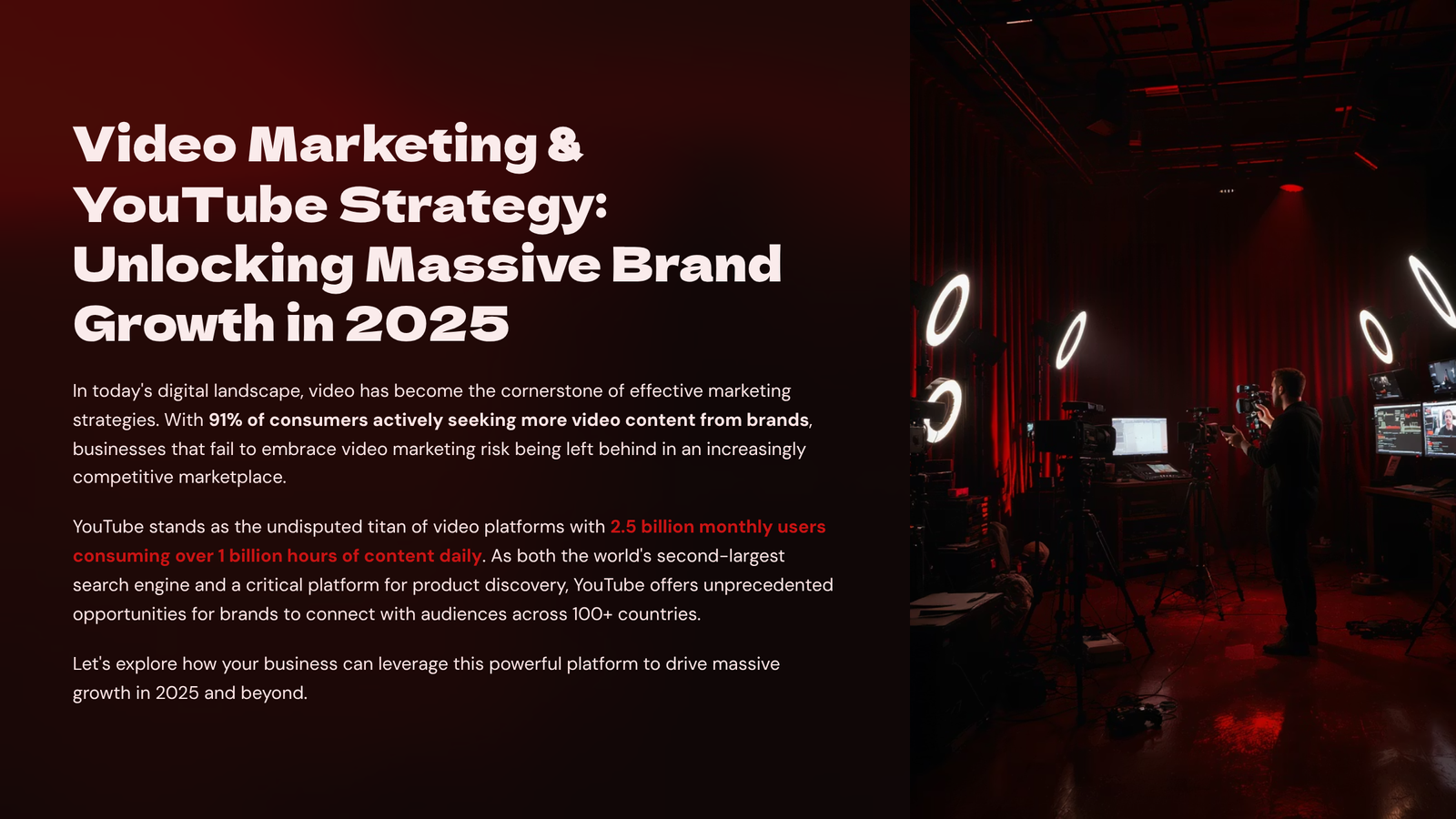
Video is no longer a “nice to have”—it’s a non-negotiable part of a winning digital marketing strategy. Consumers today prefer to watch, not read—especially when learning, being entertained, or making buying decisions. Studies show that video content generates 1,200% more shares than text and images combined, and that 89% of marketers report video delivers a strong ROI. Whether it’s a short Instagram reel or a long-form YouTube tutorial, video allows brands to connect on a human level, build trust, and demonstrate value.
Small businesses can use video to introduce themselves, explain their services, show testimonials, educate audiences, or showcase products. It creates authentic visibility—viewers see your face, hear your voice, and sense your personality. Moreover, video increases conversion rates—landing pages with video can convert 80% better than those without. Platforms like Instagram, Facebook, LinkedIn, TikTok, and YouTube heavily favour video in their algorithms. In short, video accelerates attention, trust, and decision-making. Businesses that invest in video build stronger brand recall, increase engagement, and stay top of mind with their audiences.
Types of Video Content and When to Use Them
Different video formats serve different purposes in your marketing funnel. Short-form videos (under 60 seconds), such as Reels, TikToks, and YouTube Shorts, are great for grabbing attention, sharing quick tips, promoting events, or injecting humour. Long-form videos (3+ minutes) on YouTube or webinars are ideal for deeper education, product walkthroughs, interviews, and storytelling. Explainer videos help simplify complex ideas, especially for service-based businesses.
Testimonials and case studies build credibility and are powerful in the consideration phase. Behind-the-scenes videos humanise your brand, while live videos promote real-time interaction and authenticity. For product-based businesses, demo videos, unboxings, and how-to tutorials help convert curious viewers into buyers. Vlogs (video blogs) share personal journeys, while Q&A or FAQ videos address common objections. Your content mix should reflect your brand tone, your audience’s preferences, and your resources. As a small business owner, you don’t need a film crew—smartphone cameras and free editing tools like CapCut or InShot make production accessible. The key is to stay consistent, start simple, and match the right format to the right platform and goal.
Setting Up and Optimising Your YouTube Channel
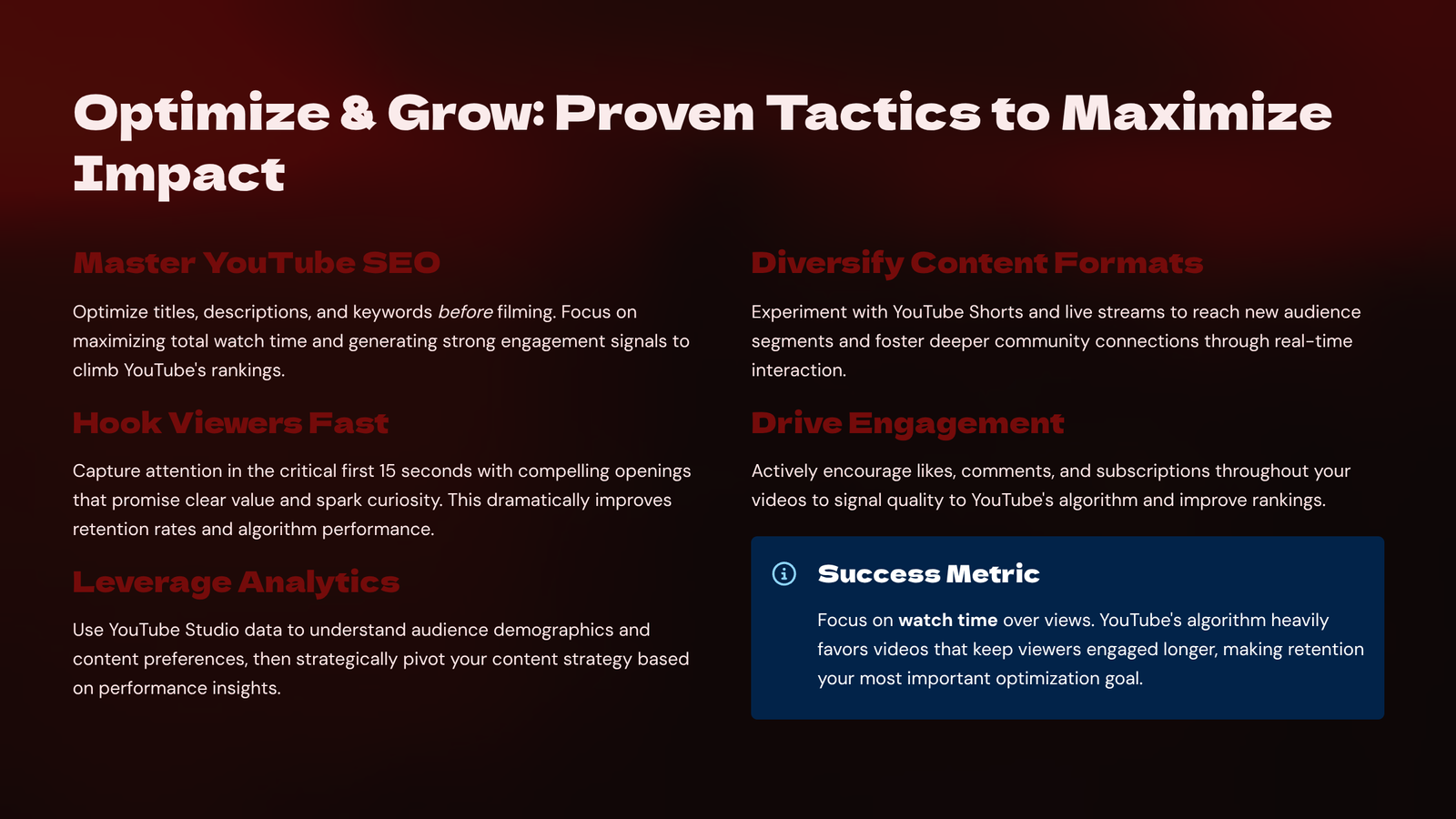
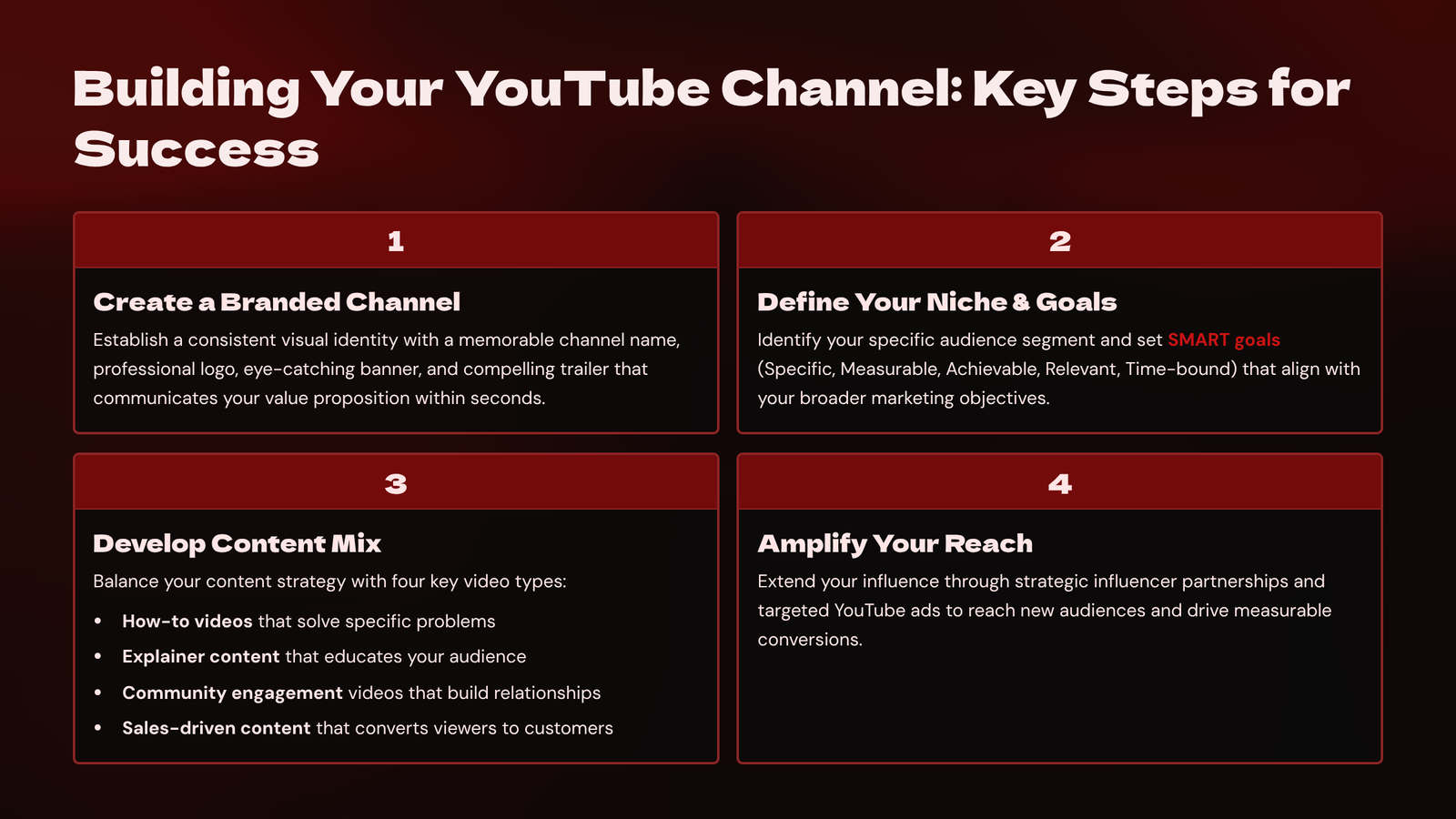
YouTube is the second-largest search engine in the world after Google and a high-trust platform for long-term brand building. Setting up a professional YouTube channel starts with choosing the right channel name (usually your business name), uploading a clear profile photo or logo, and designing an eye-catching channel banner that communicates what your channel offers. Add a compelling channel description using relevant keywords that explain your niche, who you help, and what viewers can expect. Set up channel sections to categorise your videos into playlists, making it easier for users to browse. Create a custom intro and outro for brand consistency. Use the “About” tab to add links to your website, lead magnet, or social media. YouTube rewards watch time, engagement, and keyword optimisation—so publishing consistently and encouraging likes, comments, and subscriptions is vital. Make use of YouTube Studio to upload, schedule, edit, and track your videos. Pin comments, reply to viewers, and use community posts to keep your channel active. A well-optimised YouTube channel acts as a 24/7 authority builder, especially if your videos continue to rank and deliver traffic over time.

Planning and Scripting Video Content
Effective videos start with a plan. Before recording, define your goal (educate, entertain, promote, convert), target audience, and key message. Then outline your script using a proven structure: hook → value delivery → CTA. The hook should grab attention within the first 3–5 seconds—this could be a bold statement, question, or surprising fact. The value delivery section should be structured, concise, and focused—break down the content into 2–3 key points or steps. Use storytelling, visuals, and on-screen text to enhance understanding. End with a clear CTA: “Subscribe for more,” “Book a free call,” or “Check the link in bio.” Keep scripts conversational, natural, and tailored to your brand voice. For longer videos, use timestamps or visual transitions to maintain attention. Practice reading your script aloud to improve flow. For short videos, you may only need bullet points. Tools like Teleprompter apps, Google Docs, or Notion help structure and memorise scripts. Planning ahead reduces editing time and ensures that each video serves a strategic purpose in your funnel.
Video SEO and Optimisation for Search
Creating great videos is only part of the equation—getting them found is just as important. Video SEO begins with identifying the right keywords using tools like TubeBuddy, VidIQ, or Google Trends. Use your primary keyword in your video title, description, tags, and spoken content (as YouTube reads captions). A strong title combines clarity and curiosity—e.g., “How to Start a Business in 2025 (Step-by-Step Tutorial).” The description should include a summary, timestamps, and links to your website or lead magnet.
Add hashtags, custom thumbnails, and include your keyword in your video file name before uploading. Create captions or subtitles to increase accessibility and search visibility. Organise videos into playlists with keyword-rich titles. Promote your videos via social media, email newsletters, and blog embeds to drive views and engagement. YouTube prioritises videos with high watch time, click-through rate (CTR) on thumbnails, and engagement (likes, comments, shares). Monitor your analytics inside YouTube Studio to identify what’s working. SEO-optimised videos continue to drive traffic and leads months or even years after they’re published.
Measuring Video Performance and Refinement
To improve your video marketing over time, you must measure what matters. Use YouTube Analytics and platform-specific metrics like watch time, average view duration, click-through rate, subscriber growth, and retention curves. A high watch time tells YouTube that your video is valuable; a sharp early drop-off indicates your hook needs work. Click-through rate (CTR) shows how compelling your thumbnail and title are. Track engagement—likes, comments, shares—as indicators of audience interest. Review top traffic sources (search, suggested videos, external links) to understand how people find your content. Measure ROI by linking videos to specific landing pages and tracking conversions through UTM links.
Use this data to inform your next content—double down on formats, topics, or styles that work. Test different intros, video lengths, CTAs, and titles. Also track performance across other platforms—Instagram Reels, TikTok, or Facebook video—and repurpose top performers. Consistent review and refinement allow you to make better, more targeted content that drives growth and engagement.