What Are Influencer and Affiliate Marketing, and Why Do They Matter?
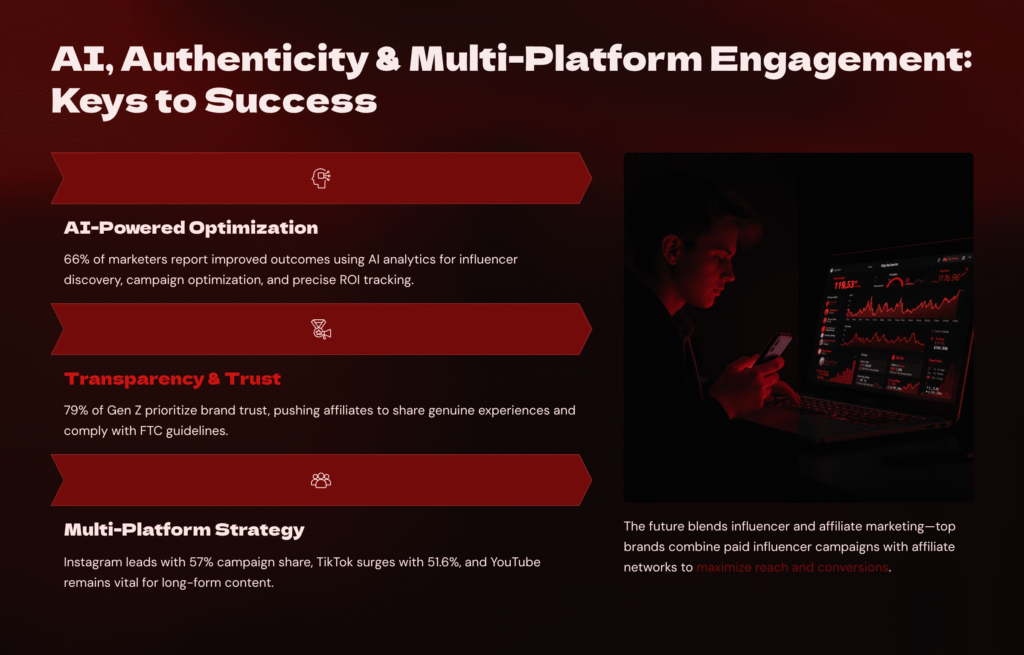
Influencer and affiliate marketing are powerful forms of third-party promotion where others help drive visibility, engagement, and sales for your business in exchange for compensation. While similar in intent, they differ in approach. Influencer marketing focuses on partnering with individuals who have a trusted following on social platforms (e.g., Instagram, TikTok, YouTube, LinkedIn) to promote your product or service. Compensation may be flat-fee, free products, or performance-based.
Affiliate marketing, on the other hand, typically rewards partners based on sales or leads they generate—using trackable links and codes. This performance-driven model reduces risk and allows for scalable growth. For small businesses with limited budgets, micro-influencers (1K–50K followers) and niche affiliates can deliver exceptional ROI because they command engaged, loyal audiences in your specific market. These strategies offer powerful social proof—when someone your audience already trusts recommends your brand, credibility and conversions increase. In an era where consumers ignore ads and crave authenticity, influencer and affiliate marketing humanise your brand and amplify your message through real voices.

Choosing the Right Influencers and Affiliates for Your Brand
The key to successful influencer or affiliate marketing is choosing the right people—not just the ones with the biggest follower count. Focus on three factors: relevance, reach, and resonance. Relevance means their content aligns with your niche and values—if you sell natural skincare, beauty or wellness creators are ideal. Reach refers to their audience size, but bigger isn’t always better. Micro-influencers often have higher engagement rates than celebrities because their audiences trust them more. Resonance is how their audience interacts—do people comment, ask questions, and follow through on recommendations? For affiliate partners, look for bloggers, YouTubers, podcasters, or niche community leaders who regularly publish content in your space and can insert your product into their existing funnel.
Vet potential partners using tools like Social Blade, Upfluence, Heepsy, or Instagram Analytics, and always review past content and values alignment. Don’t overlook your existing customers—they may become your best advocates if approached professionally. Choose partners who will genuinely use and believe in your product, not just promote it for money. Authenticity drives performance, loyalty, and long-term brand equity.
Outreach and Collaboration: How to Approach Influencers and Affiliates
Approaching potential influencers or affiliates should be done thoughtfully and personally. Avoid generic mass messages—customise your outreach to show that you’ve researched their content and believe there’s a mutual fit. Start by engaging with them—like, comment, or share their content for a few days before reaching out. Then, send a short, direct message or email introducing yourself, explaining why you admire their work, and proposing a collaboration that offers value. For example: “Hi Anna, I’ve been following your wellness tips and love your authenticity. I run a small organic tea brand that I believe aligns with your values. I’d love to send you samples, and if you love them, discuss ways we could collaborate to help your audience.” Offer options—such as a sponsored post, product review, affiliate link, or giveaway partnership. Be transparent about expectations, timelines, and compensation. Provide a media kit or affiliate program page for credibility. For affiliate partnerships, include clear terms on commissions, cookie duration, and payout thresholds. Influencer and affiliate outreach is not a transaction—it’s the start of a strategic relationship. Treat partners as collaborators, not contractors, and you’ll build loyalty and results.

Structuring Compensation, Commissions, and Contracts

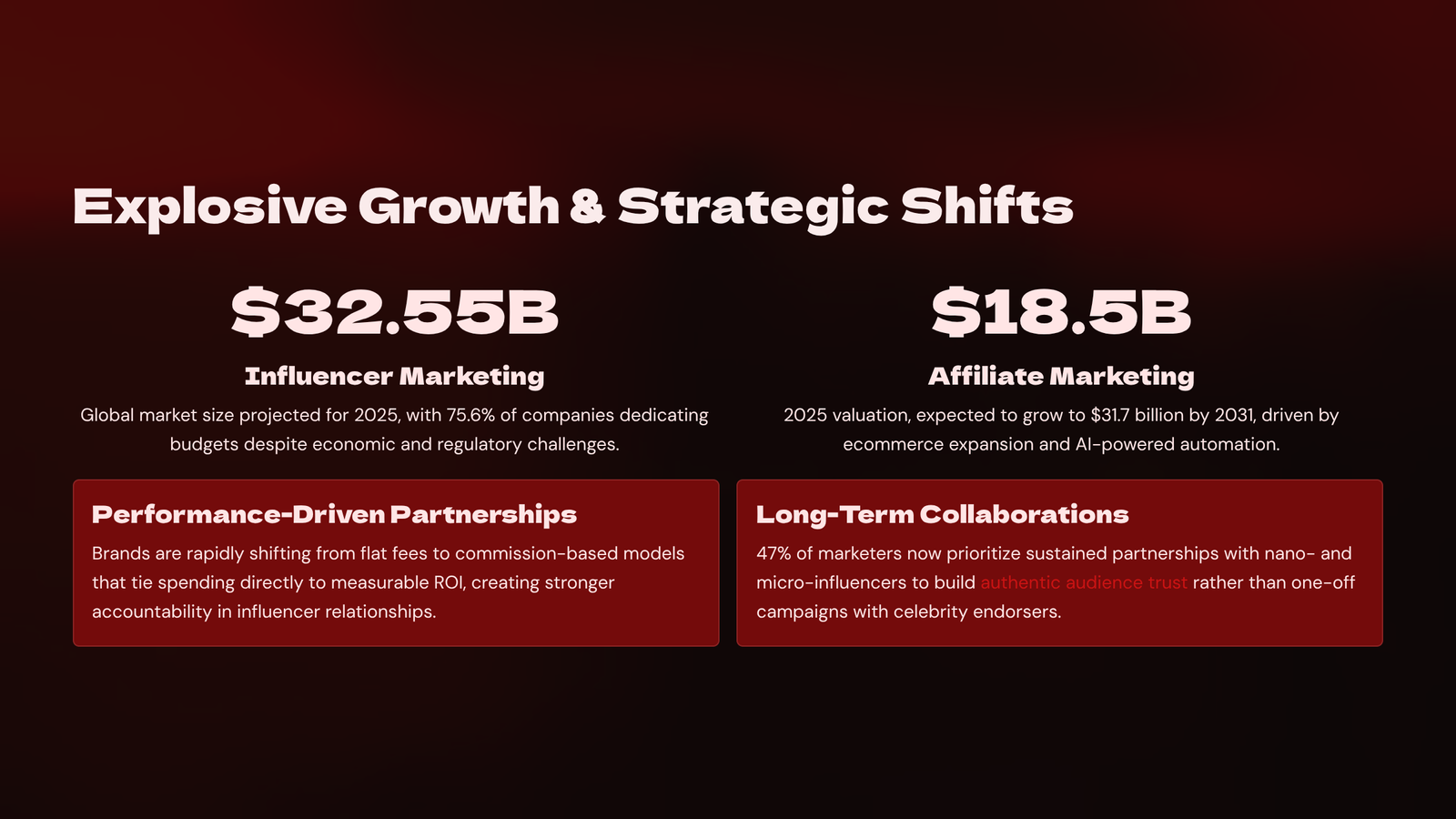
Clear compensation structures are essential to setting expectations and protecting both parties. Influencer compensation varies based on follower count, engagement rate, platform, content format, and niche. You can offer free product, a flat fee per post, or performance-based pay (e.g., bonuses for conversions). Micro-influencers often accept free product in exchange for authentic content, but even then, clarify deliverables (e.g., “1 reel, 1 story with link, within 7 days of delivery”). Affiliate programs are typically commission-based—common rates range from 5% to 30% per sale, depending on product margin and sales volume. Use affiliate software like Refersion, ShareASale, GoAffPro, Tapfiliate, or built-in platforms like Shopify Affiliates to generate tracking links and automate payouts. Set a cookie window (e.g., 30 days), a payment threshold (e.g., £50), and ensure transparent reporting. Always use written agreements or influencer contracts, covering: scope, ownership rights, FTC disclosure requirements, and cancellation terms. Well-defined terms build trust and avoid misunderstandings. Whether you’re working with one influencer or 100 affiliates, professional documentation turns casual partnerships into scalable growth systems.
Tools and Platforms to Manage Partnerships

Managing influencer and affiliate relationships at scale requires reliable tools for tracking, communication, and reporting. For influencer marketing, platforms like Upfluence, Heepsy, AspireIQ, or Influencity help find and vet creators, manage campaigns, and track performance. For small businesses, simpler tools like Instagram DMs, Google Sheets, and email can suffice for managing 1–5 collaborations manually. For affiliate marketing, platforms such as Refersion, ShareASale, Impact, Rakuten, or ThriveCart Affiliate Center allow you to generate unique referral links, monitor clicks/sales, and automate payouts. Many e-commerce platforms like Shopify, WooCommerce, or Kajabi offer native affiliate integrations. Use Canva or Google Drive to create shared folders with media kits, swipe copy, product images, and guidelines
For communication, consider Slack or email updates to keep partners informed about promotions, new launches, or product updates. Regardless of the tool, the goal is to make promotion easy and rewarding for your partners. Streamlining the workflow keeps collaborators motivated, reduces errors, and ensures that every partnership runs smoothly and professionally.
Measuring and Optimising Campaign Performance
To make influencer and affiliate marketing sustainable, you must track what’s working and iterate. For influencer campaigns, monitor metrics such as reach, views, likes, comments, shares, saves, link clicks, and new followers or sales during the campaign window. Use UTM parameters and unique discount codes to attribute conversions. For affiliate marketing, measure click-through rates, conversion rates, cost per acquisition (CPA), and total revenue generated per partner.
Most affiliate platforms provide dashboards to track performance in real time. Set clear benchmarks—for example, “target 5% conversion on affiliate links” or “generate £1,000 in sales from 3 micro-influencers in 30 days.” Use performance insights to rank your top partners and invest more in them—offer higher commissions, exclusive bonuses, or co-branded campaigns. If a campaign underperforms, analyse why—was the content misaligned, the CTA unclear, or the offer weak? Provide feedback, test different messaging, or try new audiences. Over time, influencer and affiliate marketing becomes less of a gamble and more of a system—one that generates steady exposure and revenue with minimal ad spend.