Building a High-Converting E-commerce Foundation
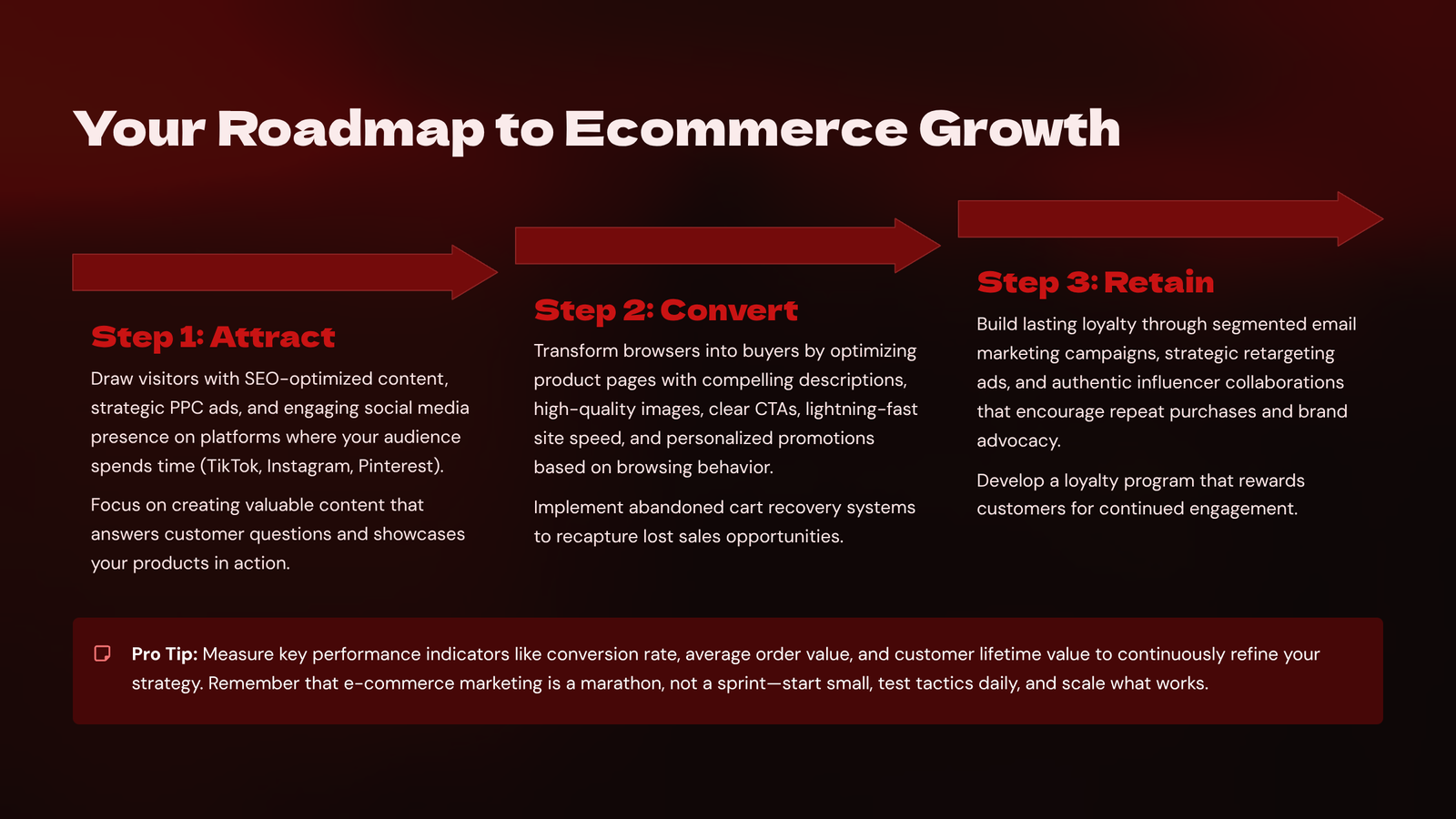
An e-commerce store is more than just a website with products—it’s a sales engine that needs strategic design and user experience optimisation. Whether you’re using Shopify, WooCommerce, Wix, or BigCommerce, your site should reflect your brand, build trust, and remove friction from the buying process. Clear navigation, fast load times, responsive mobile design, and secure checkout systems are non-negotiables.
High-quality product images from multiple angles, compelling product descriptions that focus on benefits (not just features), and clear pricing and shipping policies all contribute to conversion. Include FAQ sections, easy returns, and contact options to ease buyer hesitation. Incorporate trust signals like secure payment badges, SSL certification, and customer reviews. Every click and scroll must guide the user closer to a purchase with no confusion or obstacles. If a visitor doesn’t buy, it’s often not due to lack of interest—but poor experience. So, a polished and psychologically aligned site is the foundation on which all your marketing efforts will compound.
Product Page Optimisation for SEO and Conversions
Your product pages are your salespeople—they need to be persuasive, informative, and searchable. First, focus on Search Engine Optimisation (SEO) by including relevant keywords in your product titles, URLs, meta descriptions, and image alt text. Use schema markup to enhance search engine visibility with star ratings, prices, and availability. Second, ensure your copy communicates both facts and feelings—highlight benefits, use cases, and emotional outcomes (e.g., “Feel confident with our wrinkle-resistant fabric” vs. “Made from 80% polyester”).
Use bullet points for clarity and include specs only after the main pitch. Add high-resolution images, zoom functionality, and video demos if possible. Trust badges like “30-day guarantee,” “Ships from the UK,” and “Free returns” reduce buyer anxiety. User-generated content—like reviews, testimonials, and photos from past buyers—adds social proof and boosts conversion. Finally, integrate cross-sells or upsells directly on the product page to raise the AOV. A well-optimised product page converts more visitors and feeds more profitable traffic back into your advertising funnel.
Cart Abandonment Recovery and Email Automation
Cart abandonment is common in e-commerce, with rates averaging 65% or higher. However, abandoned carts are not lost forever—they’re a second chance. The key is timely, personalised follow-up. Set up automated email flows that trigger when a cart is abandoned, sending 2–3 emails over 24–72 hours. The first email should be a polite reminder, the second can include testimonials or product benefits, and the third might offer a time-sensitive incentive like free shipping or a discount. Use dynamic email content that shows the specific items left behind. In addition to email, consider retargeting ads on Facebook and Google to bring shoppers back. Use urgency and scarcity (“Only 2 left in stock”) to create FOMO. Platforms like Klaviyo, Mailchimp, Omnisend, and Shopify Email integrate easily with your store and allow advanced cart automation. The ROI from abandoned cart recovery campaigns is often among the highest of any marketing strategy—because you’re targeting warm, high-intent prospects who simply got distracted or hesitated.

Strategies to Increase Average Order Value (AOV)

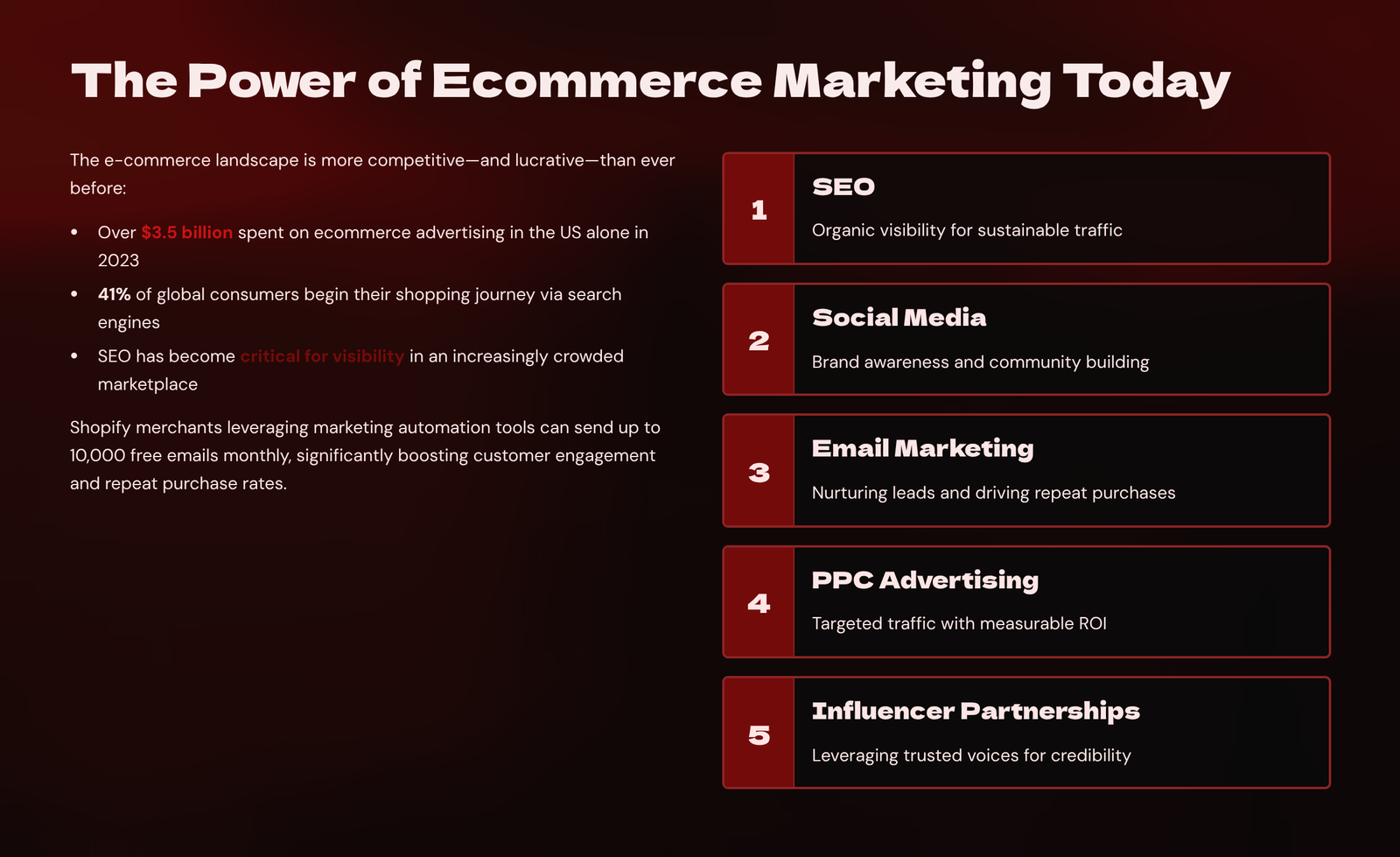
Profitability in e-commerce isn’t just about how many people buy—it’s also about how much they buy. Increasing AOV helps you make more from the same traffic. There are several proven strategies: product bundling (e.g., “Complete Skin Care Set”), cross-selling (e.g., “You may also like”), volume discounts (“Buy 2, get 10% off”), and free shipping thresholds (“Free shipping on orders over £50”). Another powerful tool is the one-click upsell—a post-checkout offer for a related product at a discounted price. On the product page, suggest complementary items or add-ons (“Add a matching case for just £9”). Include loyalty points, exclusive bundles, or members-only discounts to encourage higher spend. Use clear pricing psychology like £29.99 instead of £30, and highlight savings per unit when buying multiples. AOV optimisation is about helping customers see more value, not just pushing more products. With the right offers at the right moments, you turn single-item sales into profitable multi-item transactions that boost lifetime value.
Paid Advertising for E-commerce Sales Growth

Paid ads are a cornerstone of e-commerce growth, but they require a clear funnel and strong creative assets. Start with Meta (Facebook/Instagram) and Google Shopping—these platforms offer deep targeting, visual placements, and intent-based reach. For Meta, test carousel ads, video reels, and dynamic product ads (DPA) that pull items directly from your store catalog. Use retargeting ads to re-engage users who visited product pages, viewed carts, or watched videos.
Google Shopping and Performance Max campaigns help you target bottom-of-funnel users searching specific items. TikTok and Pinterest ads can also be effective for visual or trend-based products. Always track ROAS (Return on Ad Spend) and adjust campaigns based on real-time performance. Creatives should be thumb-stopping, mobile-optimised, and include clear CTAs and benefits. Successful e-commerce advertising combines targeting precision, compelling visuals, and a well-optimised landing page. Without these, even large budgets won’t convert. With them, you can scale profitably and predictably.
Email Marketing for E-commerce: Automations and Campaigns
Email remains one of the highest ROI channels in e-commerce, especially when powered by automation. Start with core flows: welcome series, post-purchase follow-ups, abandoned cart recovery, browse abandonment, and win-back campaigns. For instance, a first-time buyer might receive an order confirmation, followed by care tips, a product review request, and a discount for their second order. Segment your list by purchase behaviour, interest, or engagement level to send tailored offers—e.g., VIP customers get early access, dormant customers get reactivation campaigns. Weekly promotional emails or product spotlights keep your brand top-of-mind. Use catchy subject lines, responsive design, and clickable visuals. Always include a CTA and track open/click/purchase rates. Tools like Klaviyo, Mailchimp, and Omnisend offer drag-and-drop automation builders, advanced segmentation, and real-time revenue tracking. Consistent email marketing builds trust, urgency, and ongoing engagement, all without needing to pay for more traffic.