Building a Brand Identity: The Foundation of Your Business
Brand identity goes far beyond a logo or colour palette—it is the total perception your customers form about your business across every touchpoint. It includes your name, logo, tagline, tone of voice, brand story, values, and even the kind of customer service you provide. A strong brand identity creates consistency and clarity in how you present yourself across digital platforms such as your website, emails, and social media channels. When built well, it fosters trust, differentiates you from competitors, and gives customers a reason to choose you over others.
Small business owners often neglect branding, assuming it is only relevant for large corporations, but this is a critical mistake. In a crowded digital landscape, a clearly defined identity becomes your most valuable competitive advantage. Your brand should tell customers what you do, why you do it, and who you do it for. Start by defining your mission (why your business exists), your vision (what future you’re trying to build), and your core values (what you believe in and how you behave). Every visual and written element should consistently reflect these foundations. A well-defined brand identity serves as a North Star, guiding marketing decisions, content creation, and customer engagement strategies over the long term.
Emotional Branding: Creating Deeper Connections with Your Audience
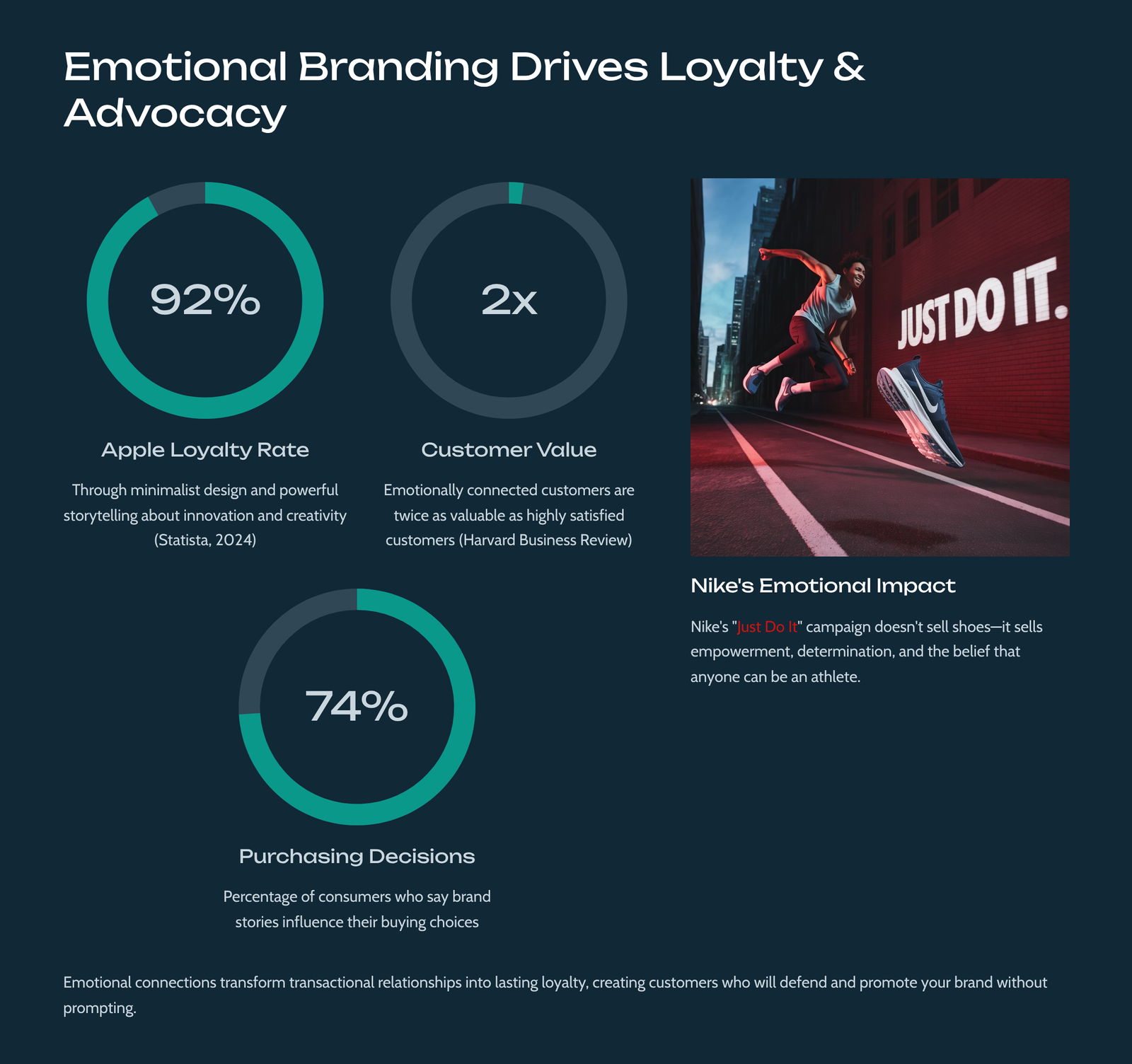
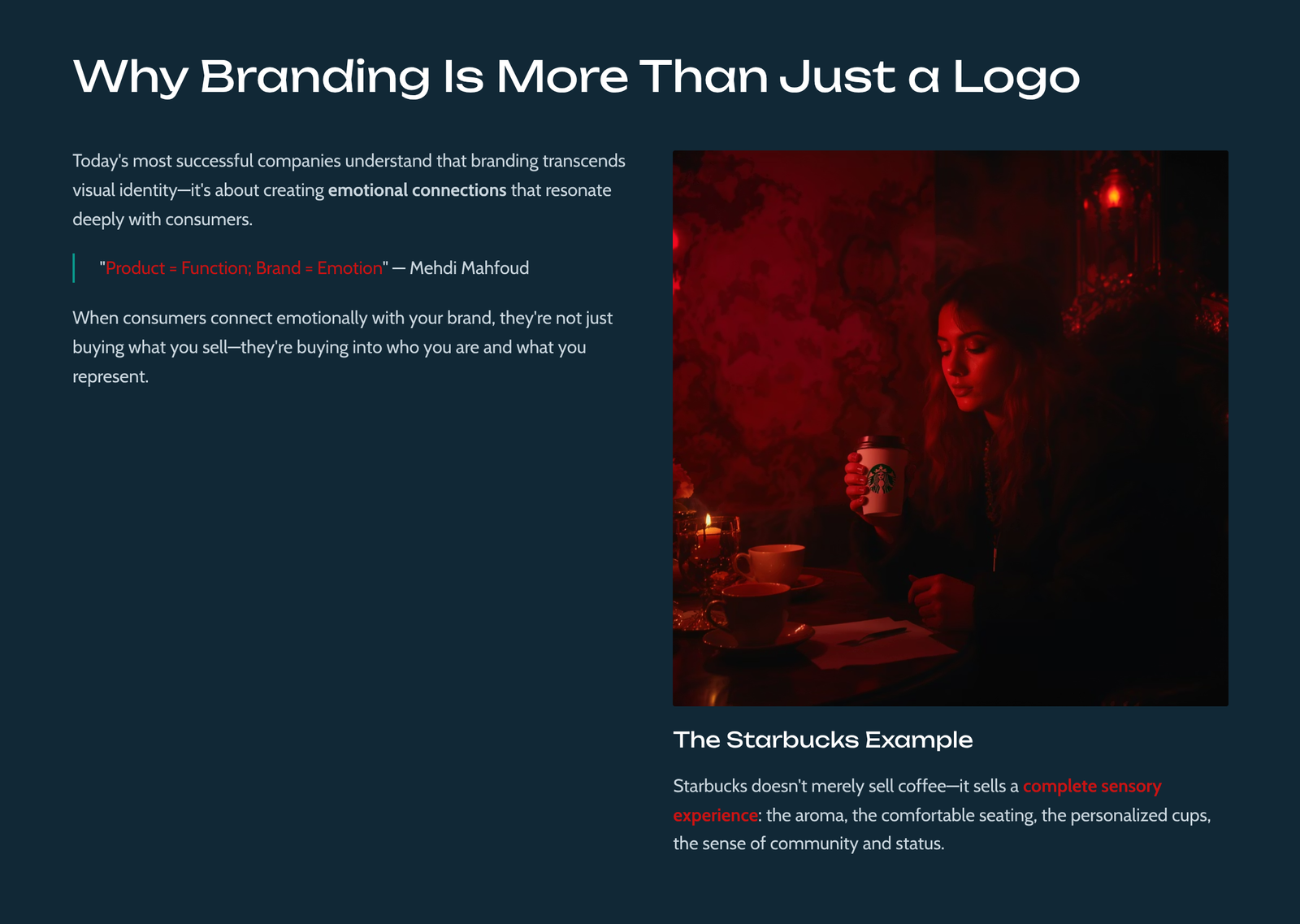
Emotional branding is the art of creating an emotional connection between your brand and your customer that goes beyond the product or service itself. In a world where customers are overwhelmed by options, they don’t always choose based on price or features—they choose based on how they feel. Businesses that evoke trust, belonging, excitement, or joy in their audiences can build long-term loyalty even when competitors offer similar or cheaper options. For example, Apple doesn’t just sell technology—it sells innovation, design elegance, and identity.
Emotional branding relies on understanding the emotional triggers and psychological needs of your target audience. These might include safety, self-esteem, belonging, accomplishment, or freedom. You can evoke emotions through storytelling, brand visuals, customer testimonials, value-driven messaging, or even the tone of your social media posts. Entrepreneurs must shift from promoting “what they do” to highlighting “what their customers feel” when they engage with the brand. This shift helps position your brand as not just a provider of products, but as a facilitator of transformation. It’s not about selling a candle—it’s about selling peace after a stressful day. Over time, emotional branding creates a sense of familiarity and attachment that keeps customers coming back and makes them more likely to recommend your business to others.
Understanding Customer Psychology and Behaviour
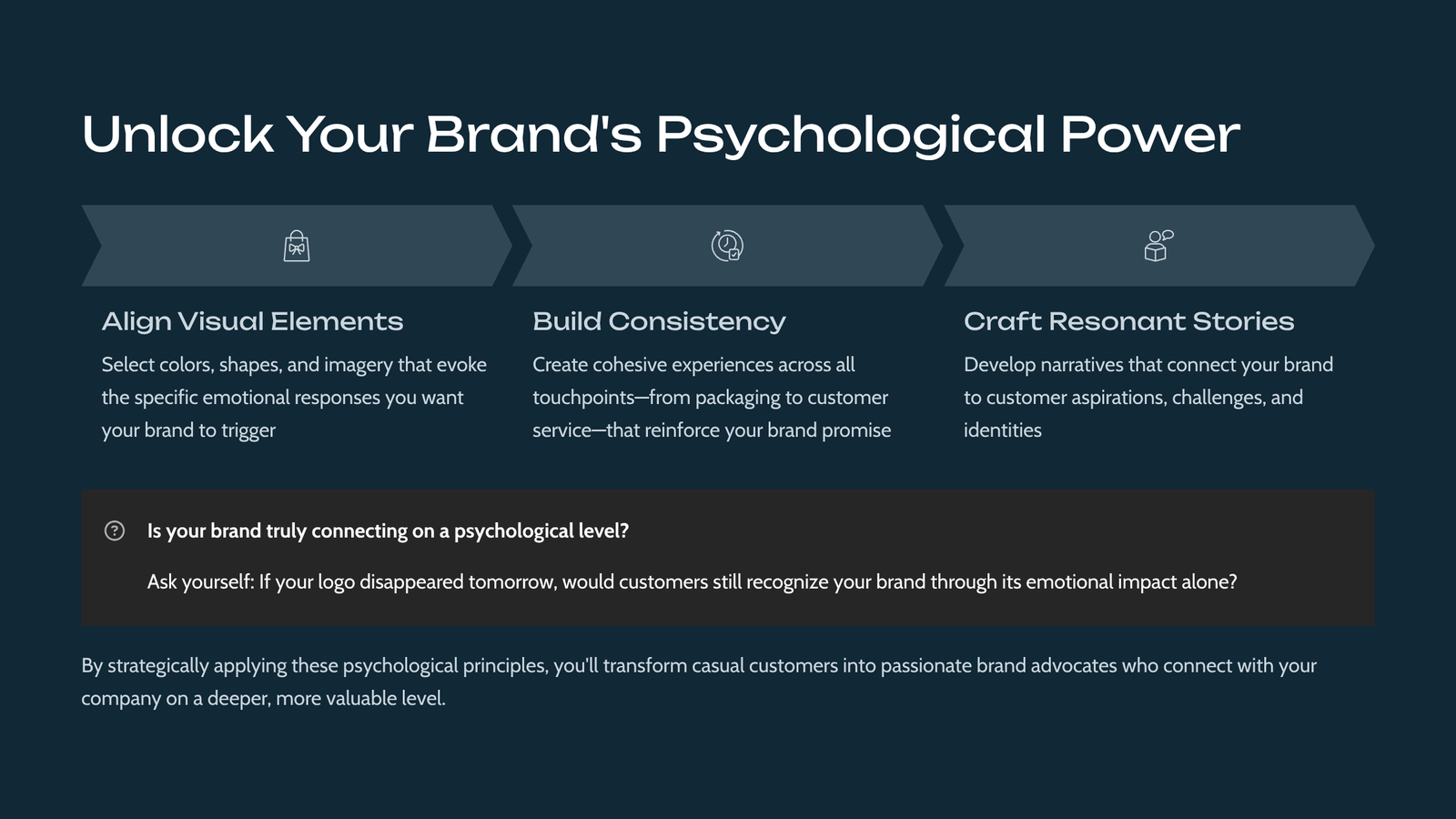
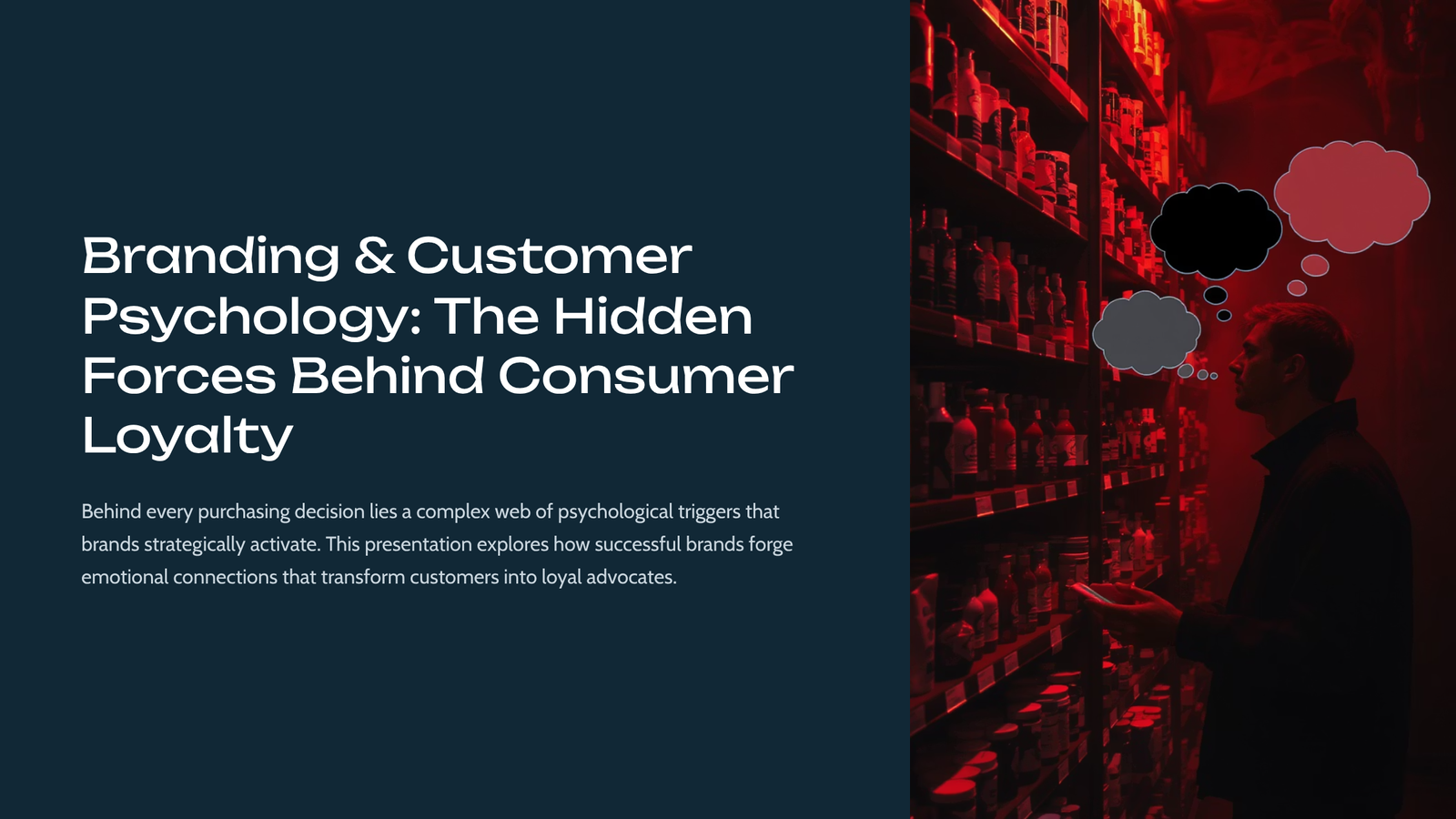
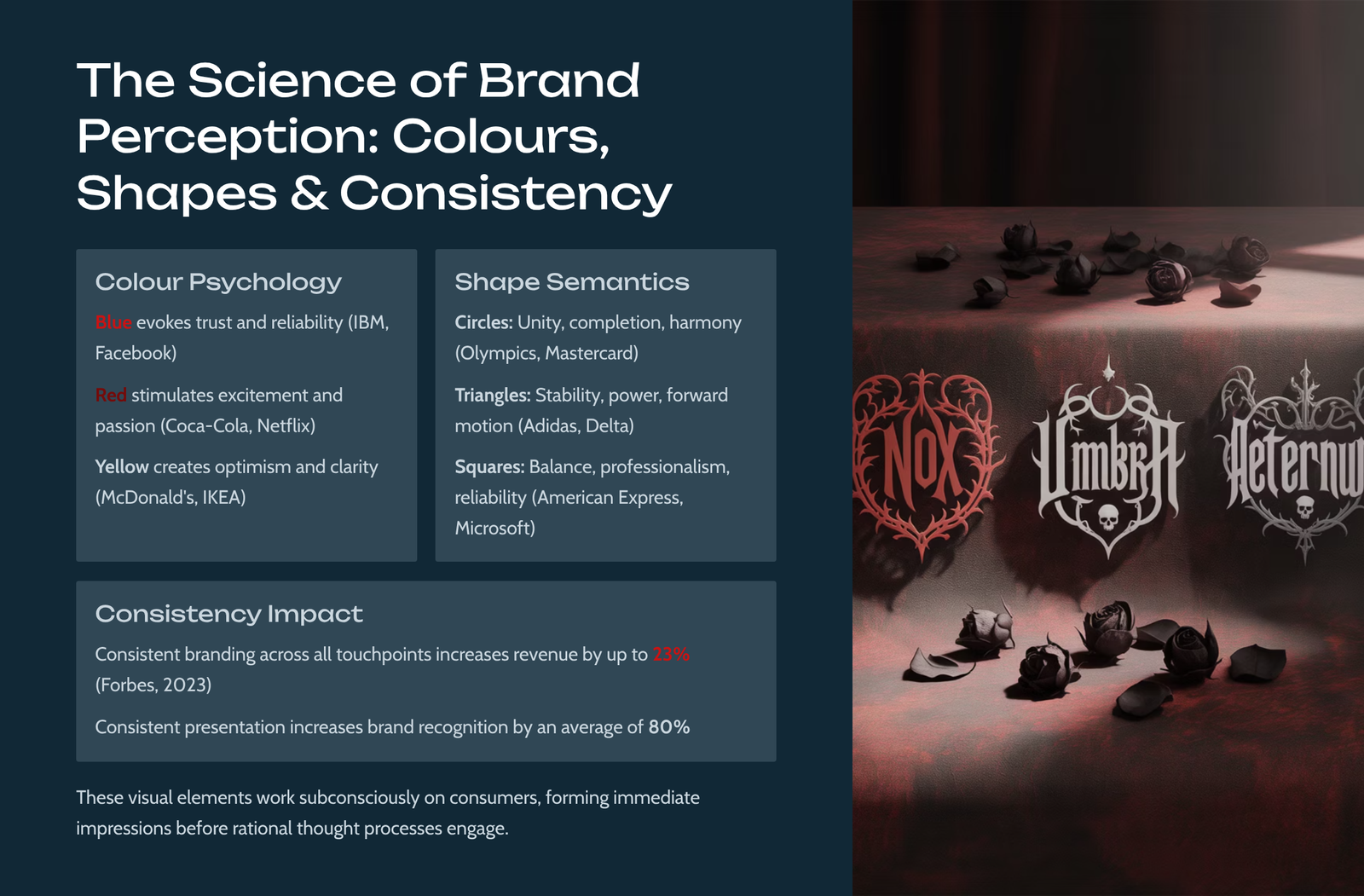
Customer psychology is the study of how people make buying decisions and how their emotions, beliefs, and social influences affect their behaviour. In digital marketing, understanding these psychological drivers is essential to crafting effective campaigns. Consumers don’t always behave rationally—they’re influenced by subconscious factors like scarcity (“only 2 left in stock”), social proof (“1,000+ positive reviews”), cognitive bias (anchoring or loss aversion), and emotional triggers (fear, joy, belonging). Knowing how people process information online can help you design websites and ads that align with their natural decision-making processes. For instance, users often scan content in an “F-shaped” pattern—placing key messages in headlines and bolded subheadings increases readability and retention. The psychology of colour also plays a role—blue conveys trust, red stimulates urgency, and green promotes calm and health. Small business owners can also leverage reciprocity (give value first to build trust), authority (position themselves as experts), and likability (use a friendly, human voice). The more you understand how and why people buy, the better you can tailor your marketing strategy to meet their needs at each point in the journey. Integrating psychological principles with data from tools like heatmaps, surveys, and behavioural analytics helps create campaigns that convert more effectively.

Developing Customer Avatars and Buyer Personas

A customer avatar (also known as a buyer persona) is a detailed, semi-fictional profile of your ideal customer based on real data and educated assumptions. Building personas helps you understand your audience’s needs, desires, pain points, and objections so you can market to them more effectively. While demographics such as age, gender, income, and education matter, psychographics like goals, values, fears, habits, and lifestyle choices are even more powerful. For example, two women aged 35 with similar incomes may respond to completely different messages if one is a busy working mother looking for convenience and the other is a wellness-focused entrepreneur seeking authenticity. The more specific you are, the better your marketing results. Ideally, you should have 2–3 core personas that reflect your primary audience segments. Give each one a name, a backstory, a quote, and a list of buying triggers. Ask questions like: What keeps them up at night? What motivates their purchases? Where do they spend their time online? What kind of language do they use? Use insights from surveys, customer interviews, Google Analytics, and social media interactions to build these profiles. Every piece of content, ad, email, or product description should speak directly to at least one of your personas. Doing so increases relevance, trust, and conversion.
Crafting a Brand Voice and Messaging Strategy

Your brand voice is the consistent tone, style, and personality used across all communication. Whether it’s playful, formal, empathetic, or authoritative, your brand voice helps customers recognise you and feel emotionally aligned with your business. Messaging strategy, on the other hand, involves how you express your core values, unique selling proposition (USP), and key benefits across various platforms. Together, brand voice and messaging form the backbone of your marketing communication.
Consistency is key: if your website is corporate but your social media posts are casual, you create confusion and lose trust. Start by identifying three adjectives that describe your desired brand personality (e.g., “warm,” “witty,” “trustworthy”). Then develop messaging pillars—core ideas you repeat across your marketing, such as quality, community, or innovation. Avoid jargon or generic phrases and instead use words your customers actually use. For example, instead of saying “we provide innovative, integrated software solutions,” say “we help busy entrepreneurs save time and grow their business with one simple tool.” Clarity always beats cleverness. Strong brand voice and messaging help your brand cut through the noise, especially on crowded social media feeds or email inboxes
Aligning Brand Values with Customer Values
Brand alignment is the process of ensuring your brand values mirror the beliefs and aspirations of your target audience. In today’s socially conscious environment, customers increasingly buy from brands whose values align with their own. Whether it’s sustainability, inclusivity, community service, or transparency, customers want to feel that they are part of something bigger than a transaction. When your brand stands for something meaningful, it attracts like-minded customers and repels those who don’t fit—this is a good thing. For example, if your brand values eco-consciousness, your packaging, messaging, and suppliers should reflect that. Authenticity is essential—consumers quickly detect when brands pretend to care about social causes for marketing gain.
Businesses that embed their values into every customer touchpoint—from product design to employee behaviour—create stronger emotional loyalty and higher customer lifetime value. Values-based branding also drives word-of-mouth marketing because customers become passionate brand advocates. To align values effectively, start by surveying your ideal customers and asking what matters most to them. Then integrate these insights into your marketing strategy, visual branding, and internal company culture. When brand and customer values align, marketing becomes less about persuasion and more about resonance.
Brand Positioning and Competitive Differentiation
Brand positioning is the space your brand occupies in the mind of your customer relative to your competitors. A well-positioned brand clearly answers: “Why should I choose you over someone else?” Effective positioning is about finding your unique edge and amplifying it. This could be a specific niche market you serve, a proprietary process, a bold brand personality, or a customer experience that goes above and beyond. The key is clarity and focus—trying to be everything to everyone leads to bland messaging and weak brand recognition. Begin by identifying your top 3–5 competitors, studying their messaging, reviews, and marketing strategies. Then perform a SWOT analysis (Strengths, Weaknesses, Opportunities, Threats) to identify your standout qualities. Next, create a brand positioning statement: “For [target market], we offer [key benefit] through [unique approach], unlike [main competitor].” Use this positioning to guide all your communications, pricing decisions, and even product development. Over time, clear positioning builds trust, sets expectations, and increases perceived value—essential ingredients for growing in competitive digital markets.